Doing one open house can be productive. Doing 50 open houses in 50 days turns the effort into a marketing campaign, a relationship-building sprint, and a disciplined habit that produces tangible results. When Aaron Gochenaur with the Bartos Group of Premiere Plus Realty committed to that challenge, the goals were simple: show up consistently, connect with the neighborhood, and leverage social platforms to amplify every showing. In this blog, Aaron discusses his 50-50 Challenge with Mary Bartos with the Bartos Group of Premiere Plus Realty and what he truly learned from it!
Why Commit to a Marathon of Open Houses?
The idea began as an experiment in discipline and visibility. The agent wanted to re-learn the fundamentals of door-knocking, neighborhood outreach, and in-person conversation while simultaneously pushing his social media presence on TikTok, Instagram, and Facebook. Open Houses became the vehicle for three things: consistent contact, real-time community feedback, and content creation.
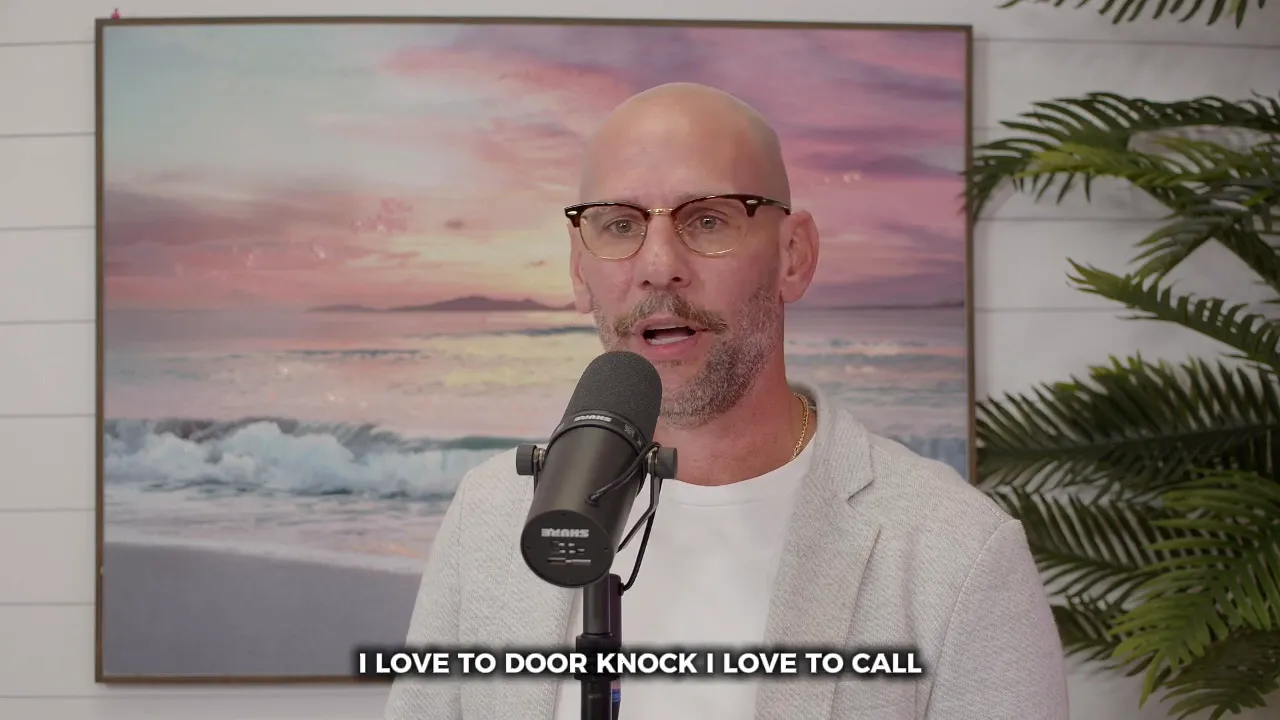
Open Houses are not just showings. They are a platform for meeting neighbors, inviting the database to engage, and demonstrating market expertise in an unfiltered way. The daily cadence forces a routine that produces both short-term conversations and long-term recall when family or friends of attendees think about buying or selling.
What the Schedule Really Looked Like
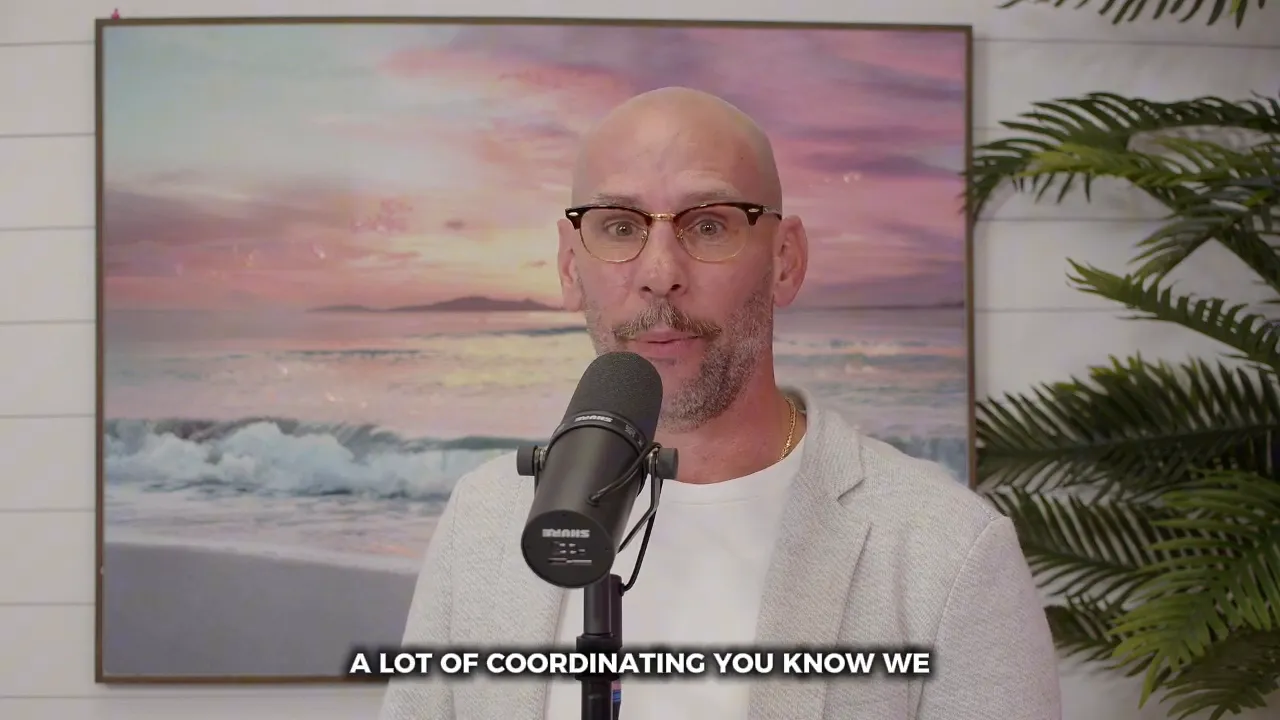
On paper, one Open Houses per day seems manageable. In practice, the challenge exposes the coordination cost. Organizing time, confirming listings, prepping signage, and sequencing neighborhoods across a busy market required logistics work that felt more mundane than glamorous.
Still, once setup was done, the interactions were straightforward: greet attendees, gather information, follow up. The invisible payoff of that repetition is familiarity. The agent reported that people began noticing him around their neighborhood — a subtle reputation-building effect that regular social media posts reinforced.
Results: The Measurable Returns of Consistent Open Houses
Consistency delivered measurable outcomes. From the 50 Open Houses effort came:
- Three potential new listings originating from neighborhood conversations.
- One contract signed only days after the campaign concluded.
- Two more listings on the horizon expected to sign shortly.
- Four active buyer leads ready to purchase in the short term.
That adds up to seven clear opportunities directly traceable to showing up and connecting. Those numbers are not theoretical; they reflect the power of converting Open Houses into a lead-generation machine when paired with follow-up and targeted outreach.
Practical Playbook: How to Run an Effective Open House Campaign
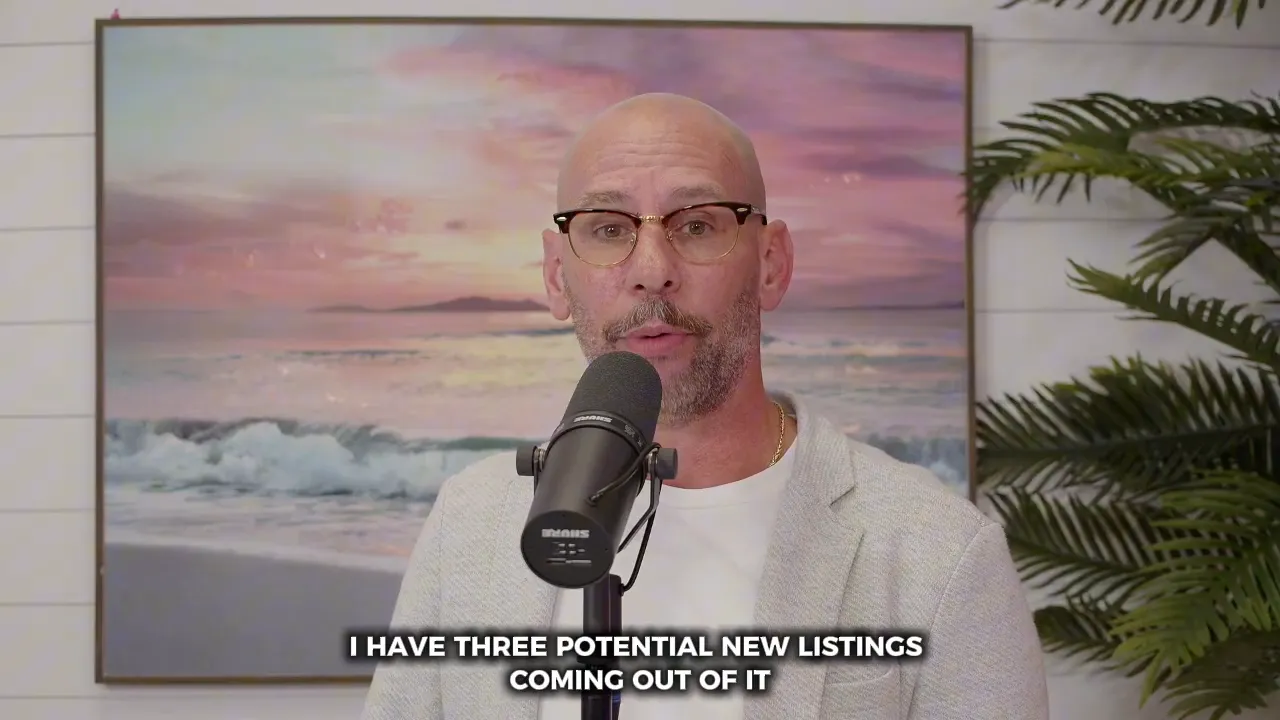
Replicating this approach requires planning and a mix of old-school and modern tactics. Key steps include:
- Schedule strategically — cluster Open Houses by neighborhood when possible to minimize travel and increase repeated exposure in the same community.
- Prep your outreach — door-knock to introduce yourself, call neighbors, and invite people from your database to stop by.
- Create content in real time — post short clips or stories from each Open Houses session to social platforms. Use authentic commentary about the property and neighborhood.
- Capture contact information — bring a reliable sign-in method so follow-up is immediate and consistent.
- Follow up the same day or next day — a quick text or call to people who visited builds trust and separates the agent from competitors who collect cards and forget to follow up.
- Track outcomes — note which conversations become listings or buyers so you can measure return on time invested.
Open Houses are more effective when they are part of a sequence. One visit turns into a conversation, which turns into a meeting, which turns into a listing or a buyer relationship. The key is to treat each Open Houses as an entry point, not an end point.
Messaging and Community Presence
The human side of the campaign mattered as much as logistics. Neighbors reacted with genuine curiosity. Many asked, “Are you really doing 50 Open Houses in 50 days?” The agent’s honest answer — that he would be seen frequently in the neighborhood — created familiarity and goodwill. Some residents stopped in just to say hello or brought water and snacks, which deepened those connections.
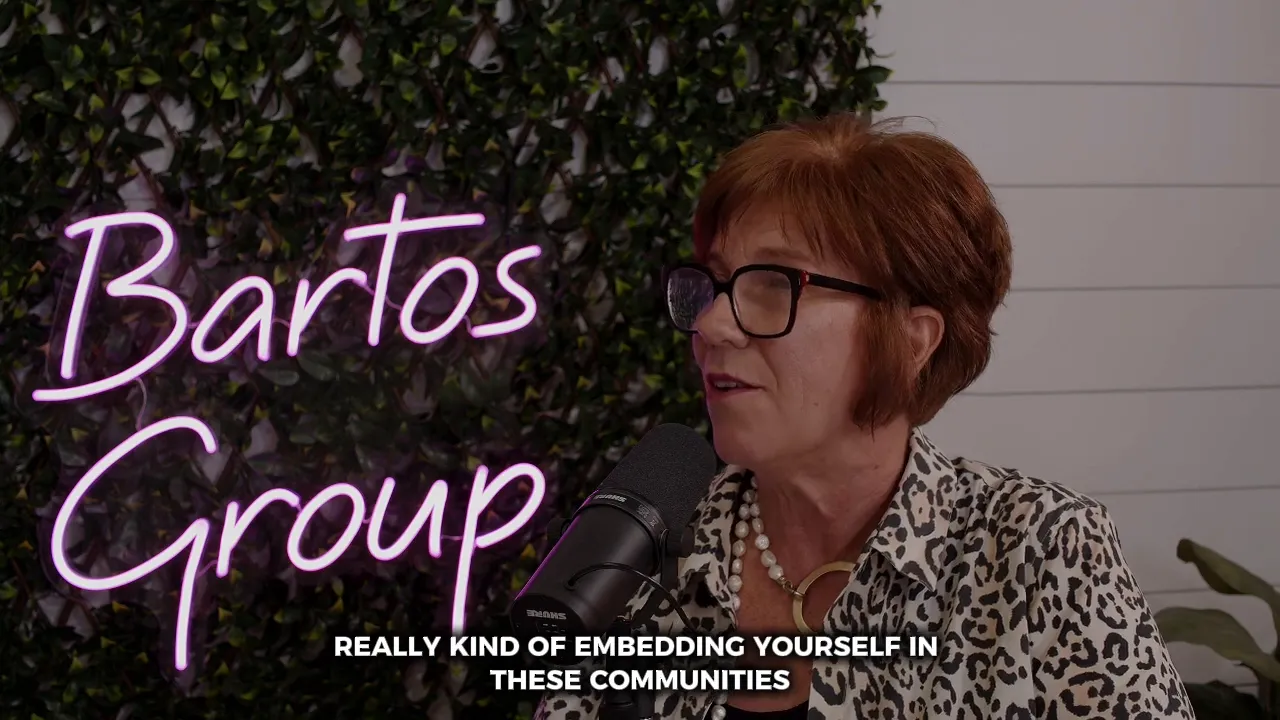
That type of local rapport leads to an implicit referral advantage. When a stranger asks who to call for a valuation or when a neighbor hears about a family moving into the area, the agent who has been visible becomes the obvious choice.
Common Obstacles and How to Overcome Them
Challenges include scheduling conflicts, seasonal market surges, and burnout. The biggest barrier is treating open houses like a one-off event rather than a program. To overcome these hurdles:
- Automate where possible: use scheduling tools and templated messages for outreach.
- Use a team approach: rotate support staff or co-hosts for logistics-heavy days.
- Protect time: block administrative hours to handle coordination so the cadence can be maintained without constant chaos.
Checklist for Running High-Impact Open Houses
- Before: Notify local residents, schedule social posts, confirm signage.
- During: Greet every visitor, collect contact information, create live content.
- After: Follow up same day, log outcomes, and schedule next touchpoint.
FAQ
How many Open Houses does an agent need to hold to see results?
There is no magic number, but consistent effort yields results. A concentrated run like 50 Open Houses in 50 days can accelerate visibility and produce immediate leads. More important than count is follow-through: tracking visitors, quick follow-up, and converting conversations into appointments.
Are Open Houses worth the time in a busy market?
Yes. Even in busy markets, Open Houses build localized brand recognition. They are an efficient way to meet motivated buyers, engage neighbors, and create social content. The true value appears when Open Houses are part of a disciplined outreach and follow-up system.
How should an agent promote Open Houses on social media?
Use short, authentic clips showcasing the property and neighborhood. Post before the Open Houses to drive attendance, then share live moments or quick tours during the event. Tag neighborhoods and relevant local pages to increase reach.
What’s the best way to collect visitor information?
Use a digital sign-in or a simple form that captures name, phone, email, and buying timeline. The key is speed: follow-up within hours to stay top of mind.
Can Open Houses generate listings?
Yes. Speaking directly with neighbors and attendees often uncovers homeowners ready to sell or considering a move. When an agent is visible and helpful, those conversations translate into listing opportunities over time.
Closing Thoughts
Open Houses remain a powerful tool when executed with discipline and intention. A concentrated program can produce short-term contracts, generate buyer leads, and create long-term brand recognition within neighborhoods. The combination of door-knocking, consistent presence, social amplification, and prompt follow-up turns each open houses into a marketing moment with measurable returns.
Agents who want to create momentum should treat open houses as a campaign rather than an event. Show up, be present, capture leads, and follow up. The results will follow.