

Deciding how to improve home value starts with one simple question: is the goal to sell today or to enjoy the upgrades for years to come? The answer changes priorities, budgets, and expectations. This guide with Mary Bartos of the Bartos Group with Premiere Plus Realty breaks down the smartest ways to increase worth, when to skip renovations, and which projects deliver the best long-term returns.
Before picking a paint color or tearing out a kitchen, homeowners should pick a timeline. If a sale is imminent, substantial cosmetic or structural work rarely makes financial sense. Buyers often want to personalize and will adjust offers to reflect their planned changes. In short, a rushed renovation rarely recoups its cost at a sale.
When the intention is to improve home value for the long term — to enjoy now and benefit later — investment choices change. Focus on upgrades that increase comfort, reduce ongoing costs, or protect the property from damage. These are the improvements most likely to preserve or grow value over time.
Not all projects are created equal. Some upgrades are obvious value-adds; others are situational. Below are categories that consistently deliver either market appeal, lower insurance, or functional longevity.
Replacing single-pane or aging windows with impact-rated glass or adding sturdy shutters is an investment that pays in comfort, safety, and insurance savings. In hurricane-prone or storm-exposed regions, impact windows can be a major selling point and a differentiator in listings.
Why this matters: improved energy efficiency, better natural light, less noise, and potentially lower homeowner insurance premiums. For many buyers, these are features they will not need to replace.
For properties on or near water, a seawall is one of the most valuable but expensive investments. A well-built seawall protects the lot, prevents erosion, and maintains usable outdoor space. It’s a structural improvement that speaks directly to long-term property stability.
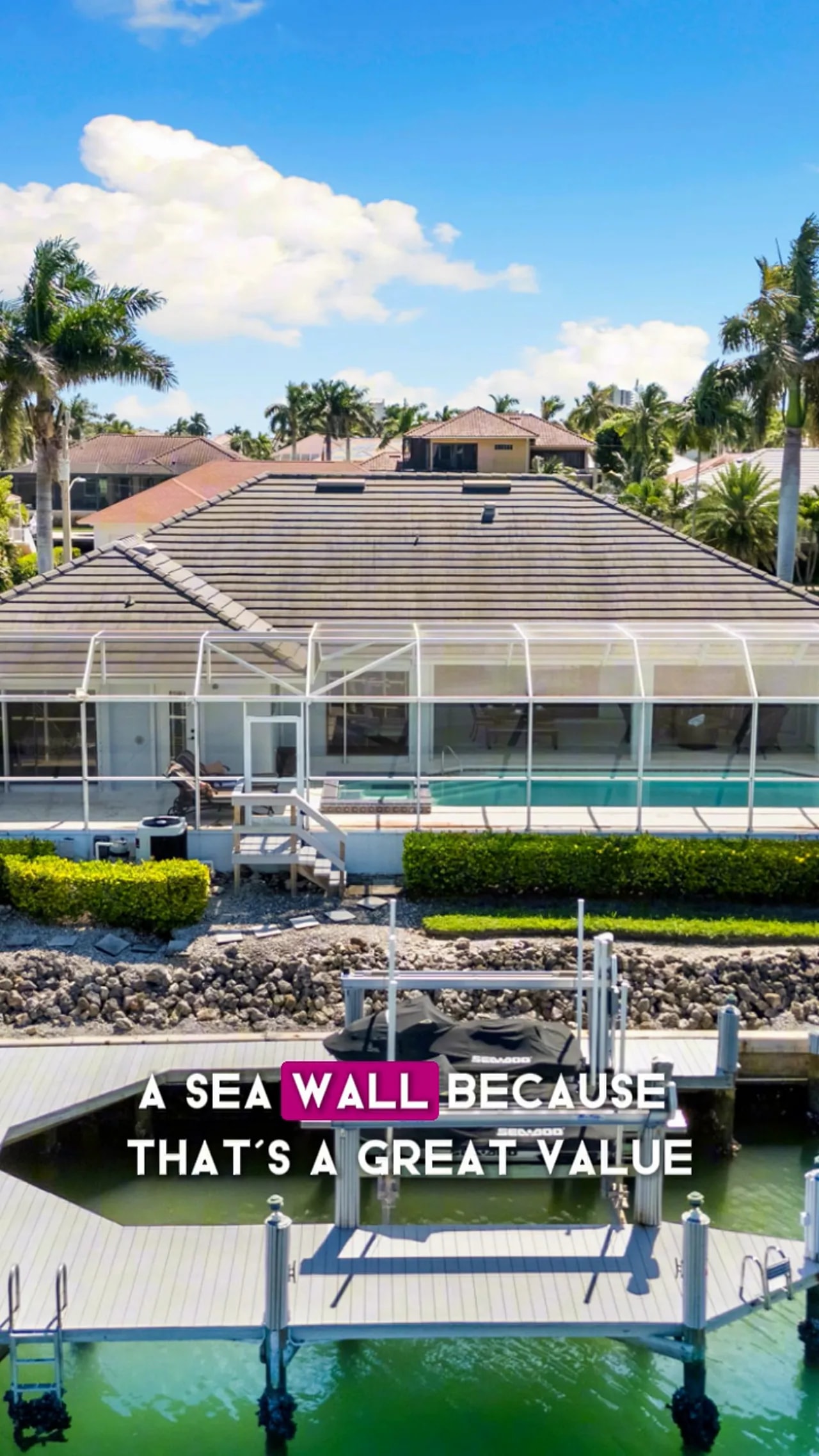
Considerations: permits, maintenance, and cost. A seawall increases marketability for waterfront buyers but requires careful planning and local approvals.
Roof replacement is a practical upgrade that reviewers, agents, and insurers notice. A newer roof reduces the risk of leaks, protects interior finishes, and often results in lower insurance premiums or easier underwriting.
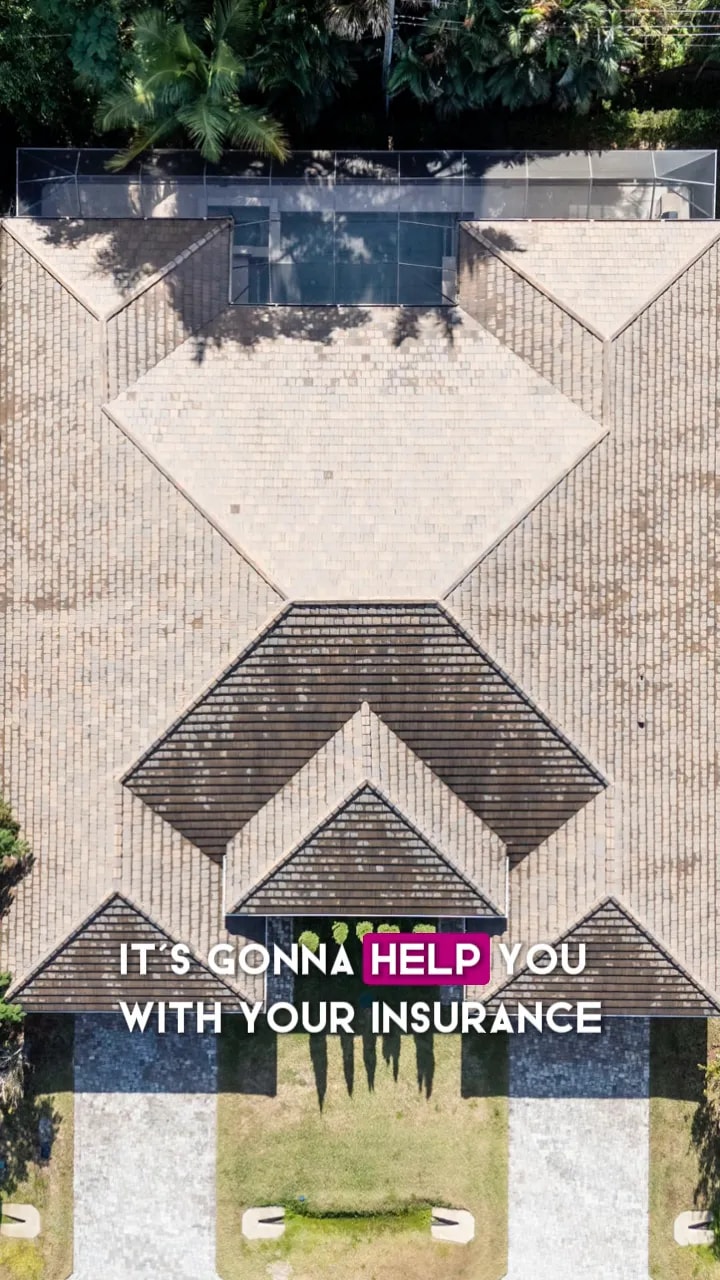
When to replace: visible wear, repeated repairs, or an age beyond the manufacturer’s expected lifespan. Even if the homeowner doesn’t plan to sell immediately, a good roof prevents expensive damage down the road and preserves the home’s market value.
Kitchens and bathrooms remain the most influential interior areas for resale value. Thoughtful updates — not necessarily full gut renovations — can modernize these rooms and make the home feel cared for.
Smart approaches: replace dated fixtures, improve lighting, refresh countertops, and ensure plumbing is in good condition. These changes often offer a strong return on investment because buyers prioritize functional and attractive kitchens and baths.
Choose upgrades that balance cost, strategic impact, and longevity. Use this order as a general rule:
Not every dollar spent yields a dollar back. Homeowners should evaluate each project by these questions:
Projects that answer yes to multiple questions above tend to improve home value most efficiently. For example, impact windows can lower energy bills and insurance risks. A new roof stops leaks and reassures buyers. Kitchens and bathrooms influence emotional appeal and perceived modernity.
Renovations are not always recommended before a sale. If time is short, skip large projects that require significant investment or extended timelines. Buyers often want to make personal changes and may discount a home to account for that work. Instead, focus on speed-friendly improvements that increase appeal without heavy cost: decluttering, fresh paint in neutral tones, and minor curb appeal fixes.
There is no universal answer, but kitchens and bathrooms often have the strongest impact on buyer perception. For coastal or storm-exposed homes, impact windows or a seawall can be equally or more valuable. Local market expectations are the deciding factor.
A newer roof typically lowers insurance risk and can reduce premiums or make the home easier to insure. Insurers value properly installed roofs with modern materials and clear documentation.
Cosmetic updates like paint, fixtures, and landscaping can boost appeal and shorten time on market. They are especially effective when combined with sound structural maintenance rather than as a substitute for it.
Prioritize safety and durability first, then improvements that reduce costs or protect the property. If the homeowner will enjoy the upgrade for many years, lean toward comfort-driven choices that also have broad market appeal.