
For investors weighing the risks and rewards of coastal property, Marco Island offers a living case study. Over ten years of steady growth, storm events, insurance shifts, and statewide regulatory changes have reshaped how people approach Investment on the island. This article distills the practical lessons an experienced investor learned while continuing to grow his portfolio through hurricanes, insurance upheaval, and the broader realities of Florida condo ownership.
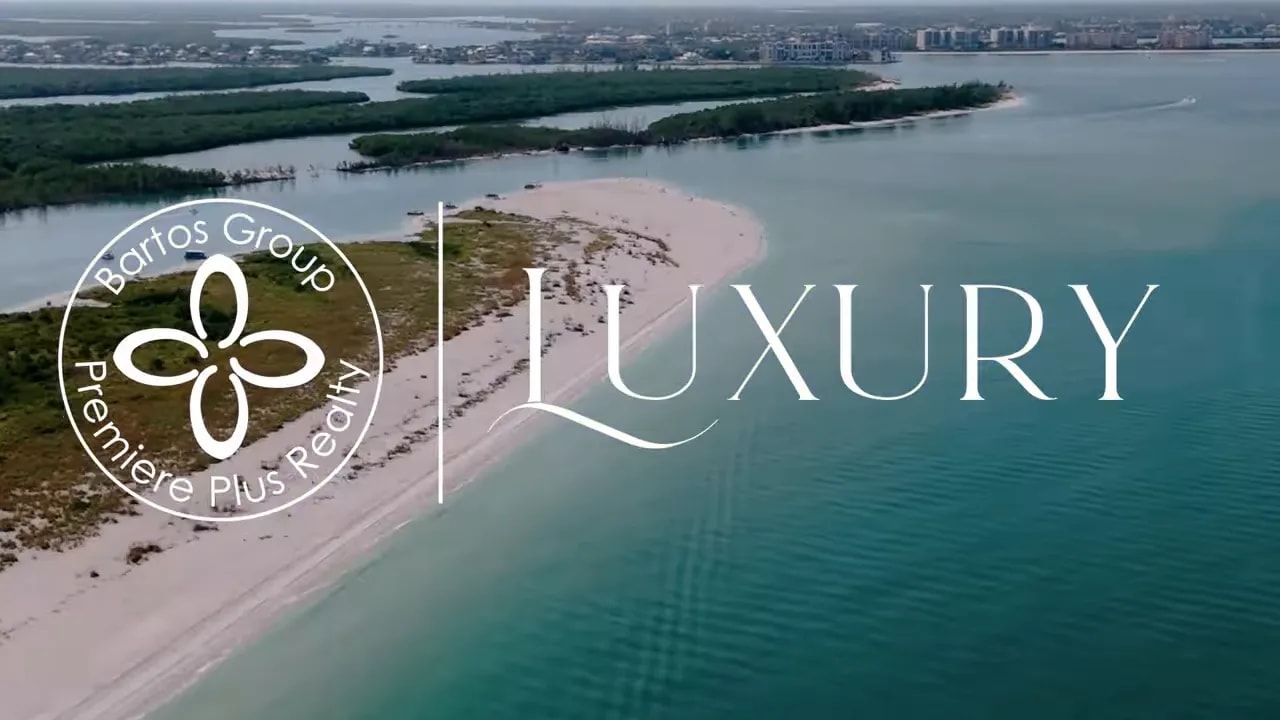
Why Marco Island still attracts capital
Despite headline-making events and rising costs, demand for Marco Island remains high. The investor at the center of these lessons watched property values appreciate over years, even after major storms. He attributes that resilience to two core dynamics:
- Persistent demand—vacationers and renters still prioritize beachfront access and island lifestyle.
- Rebuilding momentum—after each storm the island’s infrastructure and buildings are improved, making subsequent recoveries stronger.
“People still want to be on Marco Island no matter what they do.”
That simple observation drives the Investment decision-making process. Where others see cyclical risk, seasoned buyers see long-term cash flow and appreciation potential if they approach ownership with preparation and persistence.
Facing storms: strategy over panic
Hurricanes are not theoretical on Southwest Florida’s coast. The investor experienced Irma, Ian, and other significant storms firsthand. Each event taught operational lessons that shaped future Investment choices.
Key operational takeaways:
- Be hands-on before and after a storm—preparing properties and then helping the local recovery preserves both asset value and rental revenue.
- Harden assets over time—post-storm rebuilds often incorporate better materials and designs, reducing long-term vulnerability.
- Expect variability—winds and storm surge create different damage profiles. Investing with that in mind means diversifying property types and locations across the island where possible.
Insurance realities: cost, coverage, and mindset
Insurance has become a headline issue for Florida owners. Lenders’ requirements, rate increases, and changing carrier appetites mean owners must treat insurance as a core line item when evaluating Investment returns.
Practical approaches to managing insurance risk include:
- Build insurance into underwriting—when assessing cash flow, model several scenarios: current premiums, a 25 percent increase, and a severe spike. This protects decisions from sudden shocks.
- Shop and leverage relationships—working with brokers who know the local market and carriers willing to write policies in coastal Florida helps secure coverage at competitive rates.
- Absorb short-term hits when cash flow supports it—for long-term investors, occasional tens of thousands in extra premiums may be an acceptable cost versus selling quality assets at the wrong time.
The investor’s mindset matters as much as the numbers. When costs rise, he rejects the instinct to “take the ball and go home.” Instead, he prefers to find solutions, tighten operations, and push forward. That resilience is often the difference between a profitable Investment and one abandoned at a loss.
Condo associations and the Surfside aftermath
The Surfside collapse reshaped condo governance across the state. Milestone inspections, higher reserve requirements, and more rigorous inspection regimes are now standard for buildings above two stories. For owners with condo units, this translates into:
- Possible dues increases and special assessments—associations are required to shore up safety and reserves, which can mean near-term owner contributions.
- Greater transparency and planning—longer-term funding plans and clearer reserve studies give owners better visibility into future costs.
- A renewed focus on revenue metrics—associations and owners alike must look at revenue opportunities, such as rental programs, to offset rising expenses.
The crucial point for Investment decision-makers is this: reserve and assessment obligations are often beyond an owner’s immediate control. Successful investors plan for them and stress-test portfolios against association-driven costs.
What resilient investors do differently
From the decade-long experience on the island, resilient investors display several habits that any buyer should emulate:
- Maintain a long-term horizon—short-term pain is often outweighed by long-term appreciation and rental income.
- Keep cash reserves—liquidity cushions enable owners to absorb assessments and premiums without liquidating assets.
- Diversify within the market—mix condos, single-family homes, and units in different buildings to spread exposure.
- Stay engaged locally—being present after events speeds recovery and protects value.
- Focus on revenue side solutions—optimize rentals and marketing to increase income rather than relying solely on expense cutting.
Checklist for prospective investors
Before committing capital, run through this quick checklist to frame the Investment analysis:
- Model insurance scenarios—include current and stressed premium levels.
- Review association reserve studies—understand timelines for major repairs and potential assessments.
- Confirm rental demand—verify occupancy trends and seasonality for the specific property type.
- Plan for hands-on management—have local partners or a plan to be present when weather or maintenance issues arise.
- Maintain liquidity—set aside a buffer for repairs, premiums, and unexpected assessments.
Final perspective: persistence pays
The most important Investment lesson from a decade on Marco Island is persistence. Markets change, rules evolve, and storms will come. Investors who understand the local dynamics, budget for variability, and remain committed to improving their properties tend to be the ones who benefit most over time.
That combination of discipline, local involvement, and long-term thinking allowed this investor to not only keep his holdings but to expand them after multiple storms. For anyone considering coastal Investment, the path is clear: prepare, accept temporary setbacks, and focus on the long-term outcome.
FAQ
How does hurricane exposure affect Investment returns on Marco Island?
Hurricanes increase short-term variability through repair costs and potential rental downtime. However, long-term returns can remain strong if investors harden properties, maintain cash reserves, and capitalize on the island’s persistent demand.
Should investors expect rising insurance costs every year?
Not necessarily every year, but insurance has trended upward in recent seasons due to storm frequency and market dynamics. Model several premium scenarios when underwriting and work with brokers familiar with coastal property.
What should condo buyers know after the Surfside changes?
Expect stricter inspection milestones, higher reserve requirements, and possible assessments. Review the association’s reserve study and planned capital projects before buying.
Is it better to invest in single-family homes or condos on the island?
Both have pros and cons. Condos often offer rental simplicity and professional association management but can carry association-driven costs. Single-family homes provide more control but higher individual repair responsibility. Diversification across property types can balance these trade-offs.
What operational steps protect an Investment before a storm?
Secure shutters and windows, clear drainage, confirm insurance details, have a local point of contact, and ensure rental bookings and guest communications are handled proactively to limit revenue loss.
Contact Us Today!
Providing you the experience you deserve!